What "ergonomic" actually means
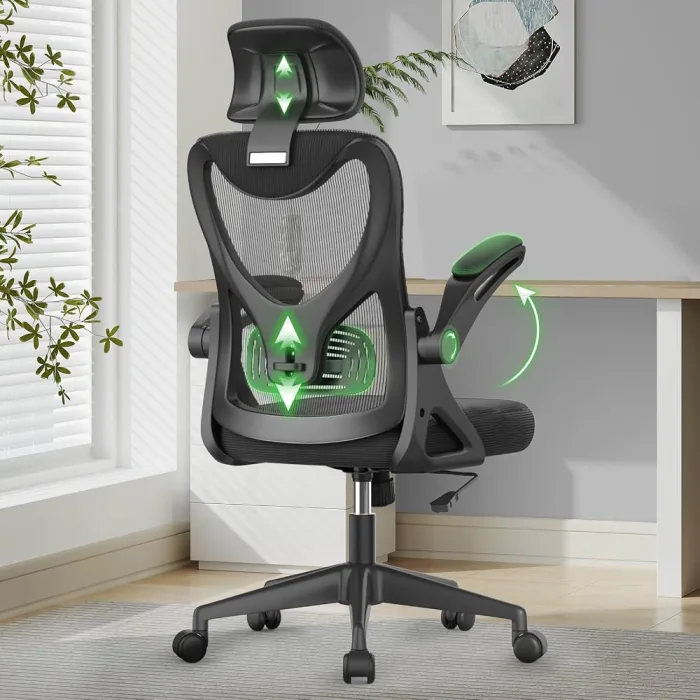
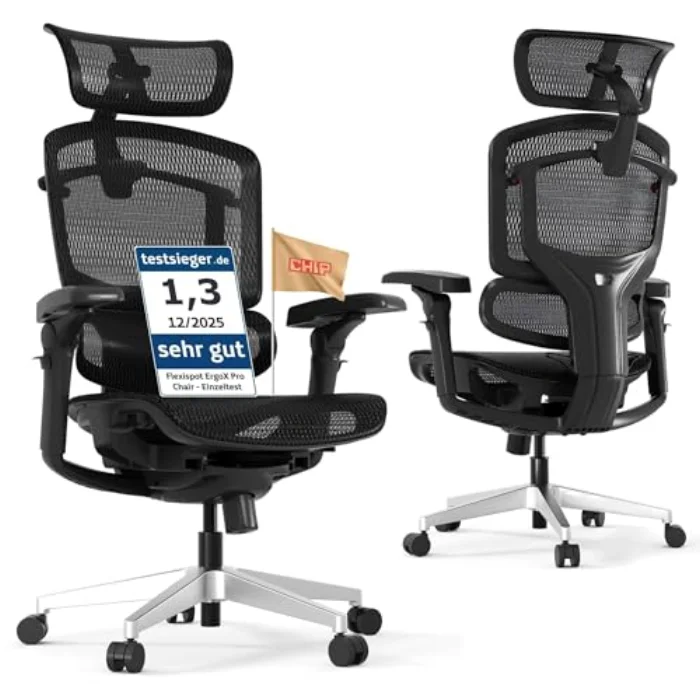
An ergonomic chair is simply one that can be adjusted to fit your body and support it in a healthy posture, rather than forcing your body to conform to a fixed shape. That is the whole idea: you are all different heights and proportions, so a chair that supports one person well will fail another unless it can be tuned. The marketing has stretched the word to the point of meaninglessness, but the test is straightforward. Can you set the lumbar support to your back? Can you adjust the seat height, the armrests and the recline to your body? If yes, it is ergonomic in the way that counts. If it is a fixed-shape chair with a contoured back and a sticker, it isn't, however the box describes it.
This matters because the body is not designed to hold one position for hours. A good ergonomic chair supports your spine's natural curves, lets your feet rest flat and your shoulders relax, and, just as importantly, makes it easy to shift position through the day. The goal isn't to lock you rigid in one "perfect" posture; it is to support a range of healthy ones.
The adjustments that matter, in order
Not all adjustments are equal. If you focus on these, in roughly this order, you will get the support that matters:
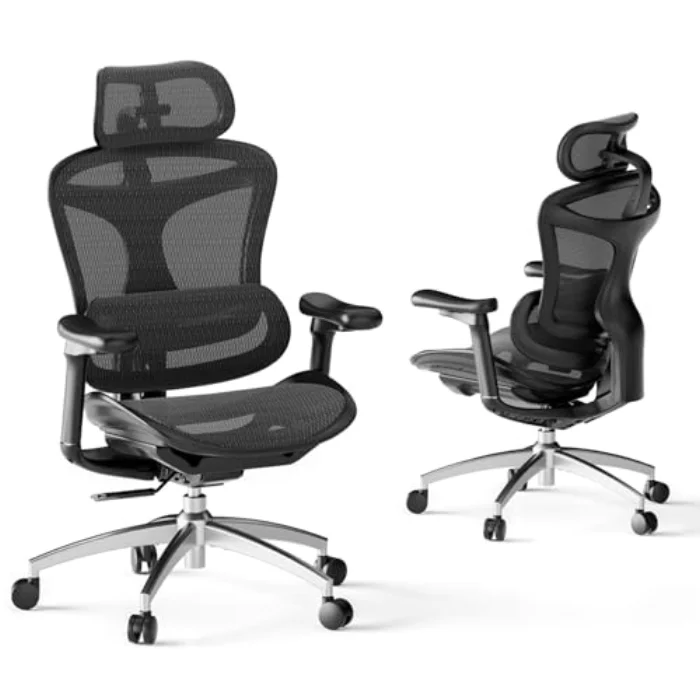
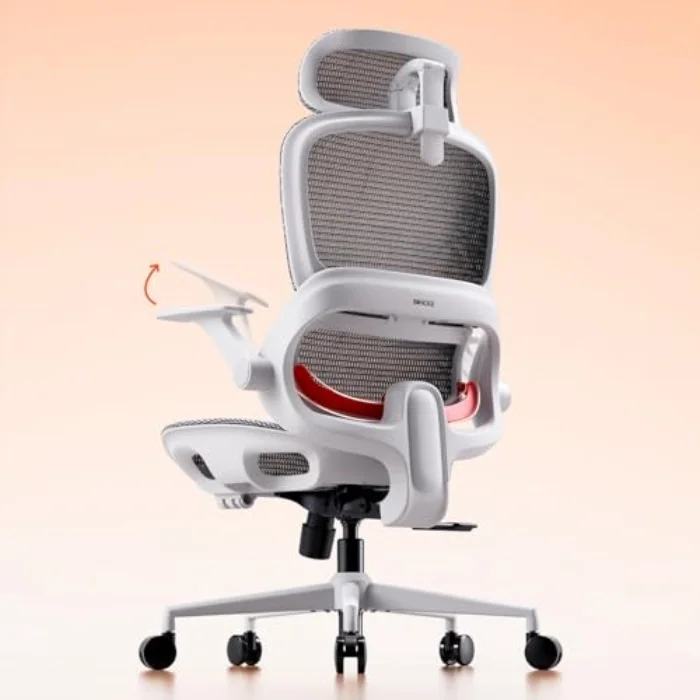
- Lumbar support. The single most important feature. It should be adjustable so you can place it in the small of your back. The Sihoo Doro C300 goes further with a self-adjusting lumbar that flexes as you move, and the Herman Miller Aeron uses its PostureFit SL to hold the base of your spine.
- Seat height. Must let your feet rest flat with knees roughly level with your hips. Check the range if you are very tall or short.
- Armrests. Ideally adjustable up, down, in and out (often called 3D or 4D), so your shoulders drop and your forearms rest. This takes a surprising amount of strain off your neck.
- Recline and tilt. A recline you can lock lets you lean back and unload your spine; tilt tension lets you set how much resistance you feel.
- Seat depth. Less common, but useful if you are very tall or short, so the seat supports your thighs without pressing behind your knees.
A chair that nails the first three of these is genuinely ergonomic for most people. Extra adjustments are welcome but offer diminishing returns.
Our ergonomic picks by budget
The good news is that genuine ergonomic support is no longer the preserve of expensive chairs. At the premium end, the Herman Miller Aeron is the benchmark: outstanding support, three sizes for a real fit, and a build that lasts for years. In the mid-range and best for value, the Sihoo Doro C300 brings a self-adjusting lumbar and cool mesh for a fraction of the price, and is the chair we recommend to most people. For long, cushioned sittings, the Secretlab Titan Evo pairs deep padding with a proper adjustable lumbar. And on a budget, the Sihoo M57 proves you can get real adjustable lumbar support for under £150. Any of these is genuinely ergonomic; which is right comes down to your budget and how you sit.
Ergonomic myths worth ignoring
A few persistent myths lead people astray, so it is worth being plain about them. First, "ergonomic" is not a synonym for "expensive"; a £140 chair with adjustable lumbar is more ergonomic than a £500 chair with a fixed contoured back. Second, a contoured shape is not the same as adjustability; a fixed curve fits the person it was moulded for and no one else. Third, no chair, however good, replaces movement; the best ergonomic setup in the world still needs you to stand up and stretch regularly. And finally, kneeling chairs and exotic shapes are not magic; they suit some people for short spells but are rarely the answer for a full working day. Judge a chair on its adjustment range and its lumbar support, not on how futuristic it looks.